temperature icon 24°C

The Versailles of Seville

Dos Hermanas, Huertas and Villas de El Versalles de Sevilla

LEGENDARY HERITAGE

WELCOME TO THE VERSALLES OF SEVILLE
The charisma of a literary, artistic and historical orchard

At the end of the 19th century, Dos Hermanas became the great green lung, an oasis of rest and a refuge of inspiration for high society and the Sevillian intelligentsia. The murmur of the water, the orange blossom scent of its orchards and the romanticism of its stately villas earned it an appellation engraved in history: «The Versailles of Seville».

Today, this legacy lives on in corners full of magic, ready to be discovered.

And it is reborn in the Dos Hermanas International Creative Festival VERSALLA Poetry and Living Arts. Click here to view programme 

MEETINGS, LETTERS AND ART

The intellectual and romantic heartbeat of the villas of Nazareth.

The gardens of Dos Hermanas were not only home to flowers, but also to some of the most brilliant literary and artistic gatherings of the time. A meeting point where poetry and sensitivity sprouted under the shade of the trees.

📜 The Epicentre: José Lamarque de Novoa and Antonia Díaz

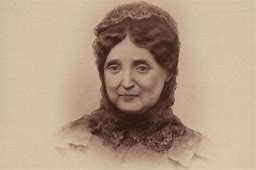
The marriage of the poets and patrons of the arts José Lamarque de Novoa and Antonia Díaz transformed their residence, the Alqueria del Pilar, The city was a veritable paradise for the arts at the end of the 19th century.

  • The Nazarene «Versailles»: Its eclectic palace with medieval reminiscences and battlements was surrounded by romantic whims: a hexagonal pagoda, an elliptical fountain and its emblematic estuary (the «lake») with an island, a gazebo and a miniature lighthouse that evokes the nostalgia of the sea. There was even a Natural History Museum and an artificial grotto with stalactites.

  • Refuge of Great Geniuses: Through its gardens passed and inspired figures of the stature of Gustavo Adolfo Bécquer, Juan Ramón Jiménez or Menéndez Pelayo, The space has become the heart of the Sevillian school of poetry.

✍️ Fernán Caballero (Cecilia Böhl de Faber)

The famous writer, the pinnacle of Andalusian costumbrismo, found in Dos Hermanas one of her most fertile literary periods. Inspired by the rural life of the town, the author took up residence in Dos Hermanas. Hacienda de la Mina Chica, behind the Parish Church, leaving an indelible mark on the surroundings of Los Llanos.

📷 Emigdio Mariani and the Artists Saga

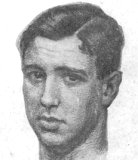
Of Italian origin and deeply rooted in the local culture, the Mariani family is synonymous with art. Highlights Emigdio Mariani (1901-1995), humanist, composer and photographer (founder of the Agrupación Fotográfica Sevillana), whose legacy today gives its name to the large exhibition hall of the Centro Cultural La Almona.

🖋️ Alejandro Collantes de Terán

Brilliant poet belonging to the Generation of '27, He spent his long periods of inspiration in the now disappeared Huerta Collantes (in Vistazul). His verses captured the essence and sensitivity of a golden age.

José Lamarque de Novoa,
the great promoter of the Romería

Born in Seville in 1828, he was the great promoter of the celebration of the Romería de Valme. A military man, businessman, poet and diplomat, he was a particularly influential person in the development of Dos Hermanas in the second half of the 19th century and, more specifically, in the reorganisation of the Brotherhood of Valme

Consul of the Kingdom of Naples, of El Salvador and of the Austro-Hungarian Empire, he was decorated with the Grand Cross of Isabella the Catholic. Also, on a more local level, he was twice the elder brother of the Soledad de San Lorenzo de Sevilla.
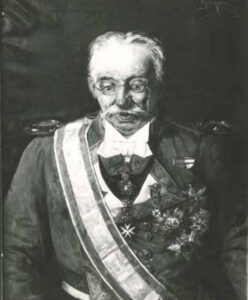
As for his literary facet, his style was markedly influenced by authors such as Zorrilla, Núñez de Arce and the great classics. A lover of everything related to the Middle Ages - hence his special interest in recovering the devotion to the Virgin of Valme and his links with San Fernando - he was a patron and protector of artists from different disciplines, such as the painter Virgilio Mattoni, the Bécquer brothers or of a young and as yet unknown Juan Ramón Jiménez.

In 1872 he moved in with his wife, the poet Antonia Díaz, He was born in the town, where he was to live, La Alqueria del Pilar (now the municipal park). In this beautiful Nazarene retreat, which, due to its halo of intellectuality, earned it the nickname of «Versailles de Sevilla», spent her last days. Lamarque de Novoa died in September 1904, twelve years after her. 
ARISTOCRACY, BOURGEOISIE, PROGRESS

The architects of the transformation and the new spaces of the city.

The splendour of the «Versailles of Seville» would not have been possible without the impetus of the industrial bourgeoisie, agricultural innovations and the arrival of modernity.

🚜 The Legacy of the Ybarra Family

Don José María de Ybarra (first Count of Ybarra), mayor of Seville and visionary businessman, revolutionised the methods of olive grove management and marketing in Dos Hermanas. His family's links with the municipality transformed the social and economic fabric. Today, his old properties are still alive and well in the community:

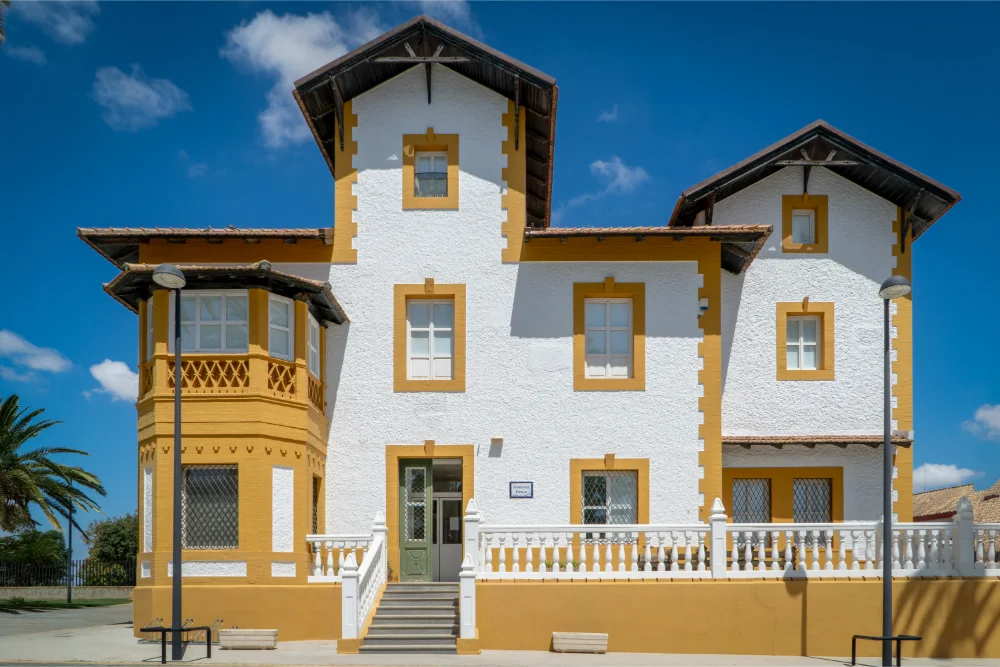
  • La Huerta Chica de los Ybarra: Current headquarters of the Casa de la Cultura.

  • La Huerta de San Luis: Current headquarters of the Department of Social Welfare.

  • The adjoining orchards were joined to the Alquería, creating an orchard of more than 13 hectares whose botanical design is attributed to the French landscape designer Jean-Claude Nicolas Forestier.

🚂 The Railway Station (1860 / 1917)

The engine of change. Its original opening in 1860 connected Seville with Cadiz, enabling aristocrats and literati to reach the leisure villas of Dos Hermanas in comfort. Today's beautiful building (1917), of neo-Mudejar style The building, with two-coloured bricks, Syrian merlons and an impressive Arab ornamentation in its foyer with Nasrid columns, was built with stone extracted from the quarry that today occupies the famous Municipal Auditorium «Los del Río». A poem by Juan Ramón Jiménez dedicated to Dos Hermanas, is displayed on a tile on the façade of the station, the writer's usual place of passage.

⛲ The Arenal Square

A historic gateway to the city for railway travellers and local nerve centre. Redeveloped in 1910, its pergolas and ornamental gardens have been the heart of Nazarenes' summers, hosting summer cinemas, concerts in its bandstand, the St. Anne's and the historic coronation of the Virgin of Valme in 1973.

🏛️ La Almona Cultural Centre

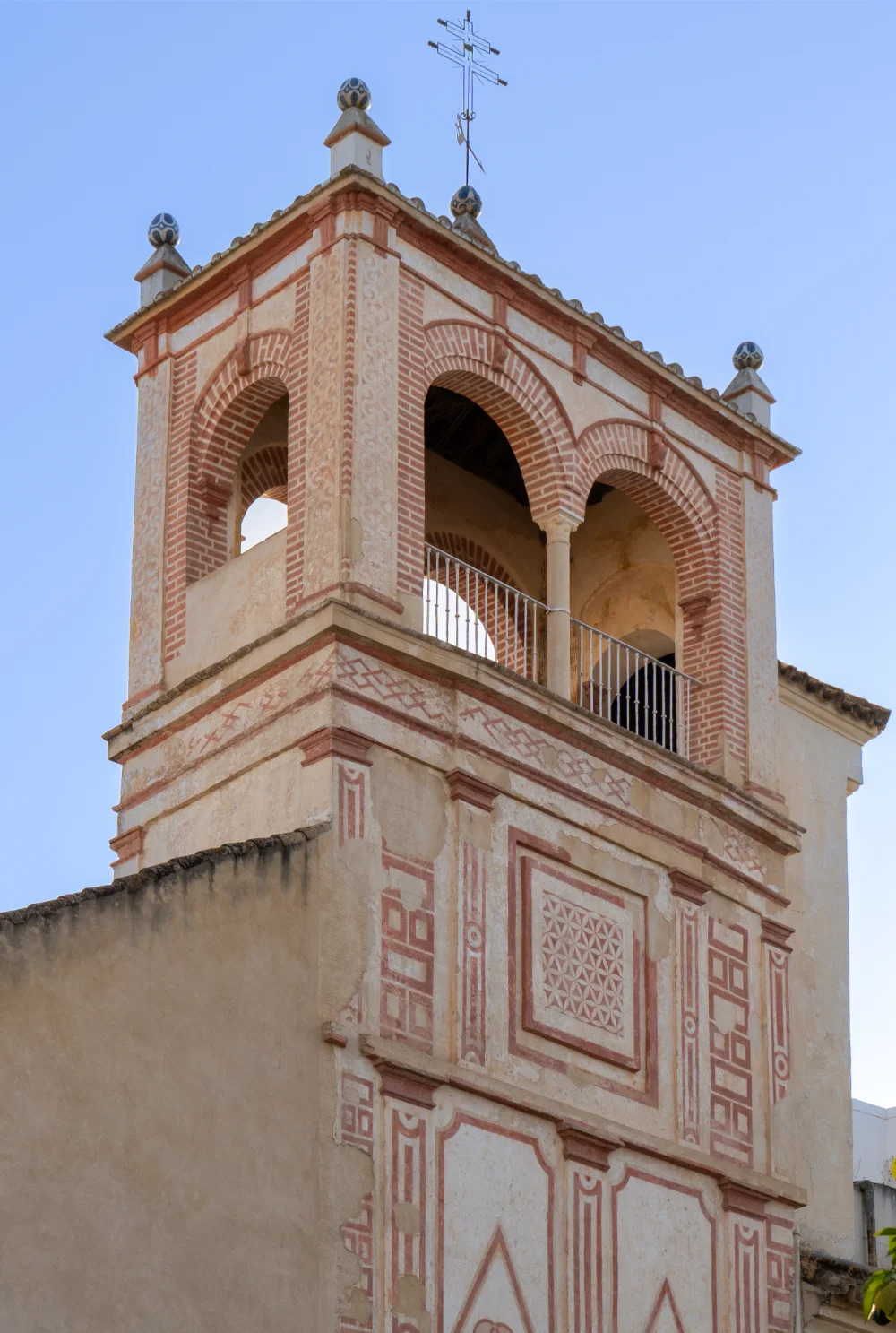
A bridge between the agricultural past and the cultural present. Inaugurated in 2007 on the site of the former Haciendas de Montefrío and Sortes (18th century), this modern accessible space conserves the imposing main façade of the Calle Real de Utrera and two emblematic lookout towers, highlighting the La Viga Tower.

DSC06652

Versalla. Dos Hermanas International Creative Festival. Poetry and Living Arts.

Origin

There was a time when the gardens, villas and hidden corners of Dos Hermanas inspired great artists. Because of their beauty, their light and their mysterious history, we were, we are and will be «The Versailles of Seville»

From that same earth, from that mud and from that dormant memory, from the verse of life, is born VERSALLA and the creative essence is reborn.

What is the see, when and where?

The Festival

A contemporary, open and inclusive event for all audiences, where the diversity of artistic expression and history come to life. This first edition will be held on Saturday 6 June 2026 in the Alquería del Pilar Park. Heart of «The Versailles of Seville» in Two Sisters. From 10:00 a.m. to midnight.

“Eat more art. Devour the poem”.”

The poetic awakening of the Alqueria > A festival where heritage, verse and the avant-garde embrace under the trees.

3 Acts and 2 Interludes

☀️ ACT I: SUNS

Light, history and the creative seed (morning).

🎭 Dramatised Route

Let yourself be guided through a journey through time, discover the romantic and avant-garde spirit of “The Versailles of Seville”.

Relive the architectural, monumental and immaterial heritage in La Alquería del Pilar, through the living embodiment of Fernán Caballero, the marriage of romantic poets Antonia Díaz, José Lamarque de Novoa and the poet of the Generation of '27 Alejandro Collantes de Terán y Delorme.

🎨 Creative Workshops
  • “The Talking Body” (Theatre-Dance)

  • “Snippets of Landscape”.” (Poetry-Collage in family)

  • “The Flower of Kan” Butoh Dance and Movement Workshop

🍽️ INTERLUDE I: THE LIVING AFTER-DINNER CONVERSATION

About the time when the sun shines the brightest, among the trees (pre-afternoon).

🎤 Agora Versalla - Open Mic / Open Scene.

Come and show off!

🌅 ACT II: TWILIGHT

Capsules of various major shows (in the afternoon).

📜 Perfopoetry

🩰 Dance-Theatre

🖌️ Live live creation 

🍽️ INTERLUDE I: ECLIPSES

🎧 Pre-party: Electronic DJ 

🌙 ACT III: MOONS

La lumbre lunática (until midnight). Mystery in the park and collective catharsis through art.

🎸 Rock - Indie Concerts (poetry and viscera)

🍔 GASTRO ZONE 

Taste Dos Hermanas

Versalla

«Eat more art. Devour the poem.»
 

More information:

Versalla on Facebook

Versalla on Instagram

Full programme with Artists

Gallery

FAQS

Frequently Asked Questions

What mobility considerations should I take into account for the Romería de Valme?

Dos Hermanas in the Romería de Valme, undertakes special services to improve traffic in the city during the festival. Such as: Traffic and city buses affected

There are many emblematic sites linked to the Romería de Valme, some of which include: the Valme Chapelthe Parish Church of Santa María Magdalena, known as «Carretera Vieja» (A-8032), the Former Ave Maria Schools (Casa Hermandad).

Find out more: Tourist attractions - Turismo Dos Hermanas

The festival in honour of St. Anne'sthe patron saint of Dos Hermanas, is celebrated every year. 26 July. The procession of the image, which takes place on the same afternoon, is one of the most important and emotional events for the Nazarenes (the local people).

The inhabitants of Dos Hermanas are called Nazarenes o nazarenas.

Elvira and Estefanía, two sisters whose family relationship with the Leonese nobleman D. Gonzalo Nazareno, who, after the reconquest of Seville, obtained as a prize the lands where the two sisters settled, is unknown.

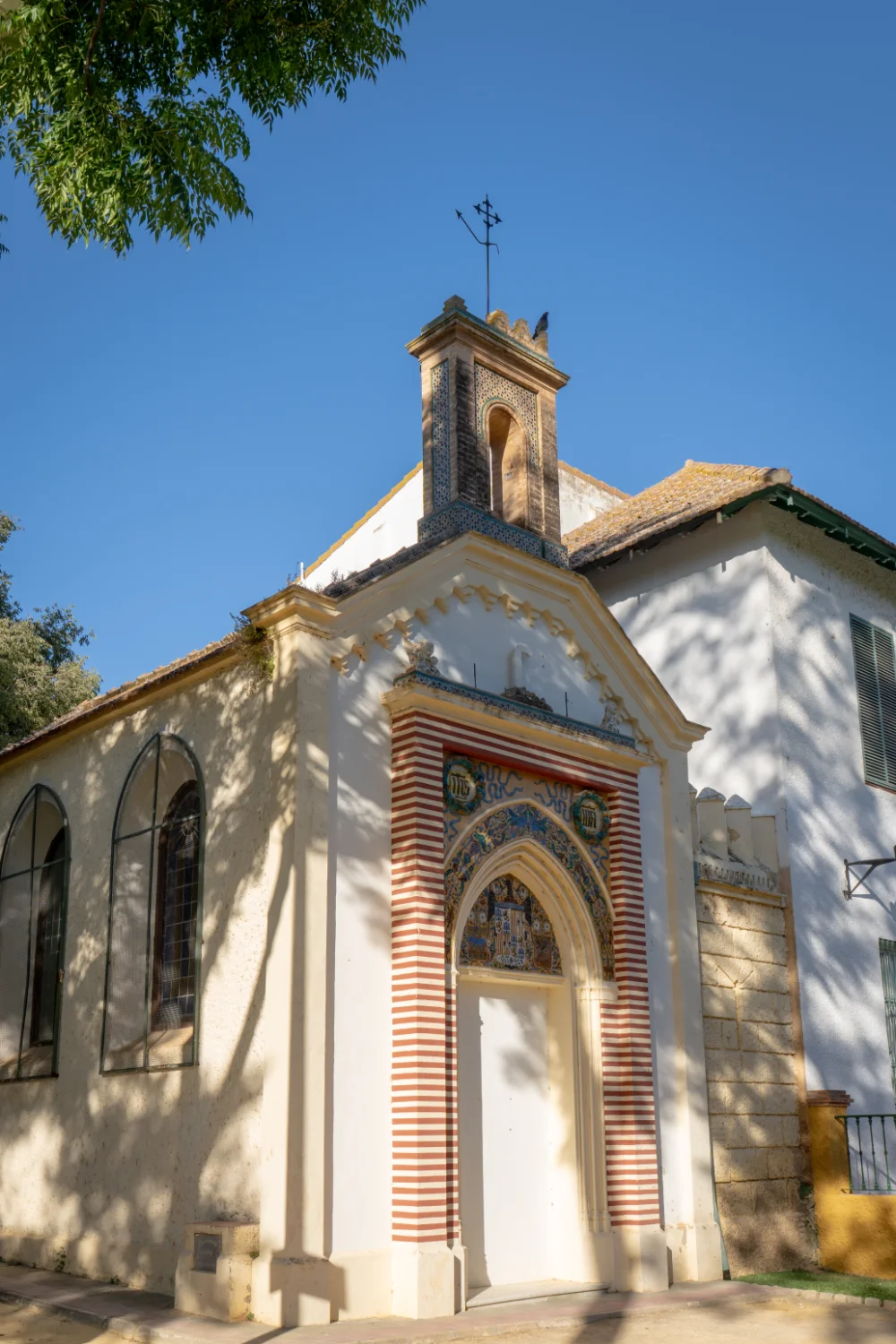
Among the most emblematic areas are also the St. Anne's Chapelthe Chapel of San Sebastiánand the Palace of Alpériz, the Casa de Poetas del Parque de La Alquería del Pilar, on La Almona Cultural Centre, the Casa del Arte. These places reflect the historical and artistic richness of the locality.

It is very easy to get to Dos Hermanas from Seville. You can opt for:

  • Suburban train (lines C1 and C2)which connects Seville and Dos Hermanas in approximately 15 minutes.
  • Intercity buses with direct routes.
  • Carthrough the road A-376in less than 20 minutes.

Dos Hermanas has very important traditional celebrations:

  • The Dos Hermanas Fairone of the most outstanding in the province, which is held in May.
  • The Pilgrimage of Valmein honour of the Virgen de Valme, takes place on third Sunday in October and attracts thousands of visitors every year.
  • The patron saint festivities of St. Anne's (July) and San Sebastian (January).

The gastronomy in Dos Hermanas is rich and traditional. You can enjoy tapas, Andalusian dishes and local produce in bars and restaurants in the centre, as well as at the Arenal Square. Don't miss the fried fishthe salmorejo or the classic spinach with chickpeas.

If you are a lover of good food, don't miss our gastronomy section, where you will discover the most authentic flavours and the most delicious corners of Dos Hermanas. Let yourself be carried away by the aroma and flavour of Andalusia! Explore the gastronomy of Dos Hermanas here


Dos Hermanas has several green spaces ideal for families and nature lovers:

  • The La Alquería del Pilar Municipal ParkThe park has walking areas, gardens and a small lake.
  • The Dehesa de Doña María Forest Parkperfect for walking routes and outdoor activities.
  • The surroundings of the Guadaíra river and its natural environment.